How to Properly Recover from a Muscle Injury: Science-Based Recovery Steps
Muscle injuries, such as strains, pulls, or tears, can significantly disrupt your daily life. Whether you’re an athlete recovering from a workout injury or someone healing from a sudden strain, proper recovery is essential to regain strength, flexibility, and functionality. By following evidence-based strategies, you can expedite your recovery and avoid long-term complications.
Understanding Muscle Injuries
Muscle injuries occur when muscle fibers are overstretched or torn. These injuries often result from fatigue, overuse, or sudden movements. The severity of muscle injuries varies from minor strains to severe tears, which may require medical attention.
Muscle strains, the most common type of muscle injury, account for 30–50% of all sports-related soft tissue injuries ( National Library of Medicine ). Symptoms include pain, swelling, stiffness, weakness, and limited range of motion.
Effective Steps for Muscle Recovery
1. Rest and Protect the Muscle
The first step in recovery is rest. Avoid activities that cause pain or worsen the injury. Rest allows damaged muscle fibers to repair themselves. For severe injuries, a brace or wrap may be necessary to stabilize the area.
2. Apply the R.I.C.E. Method
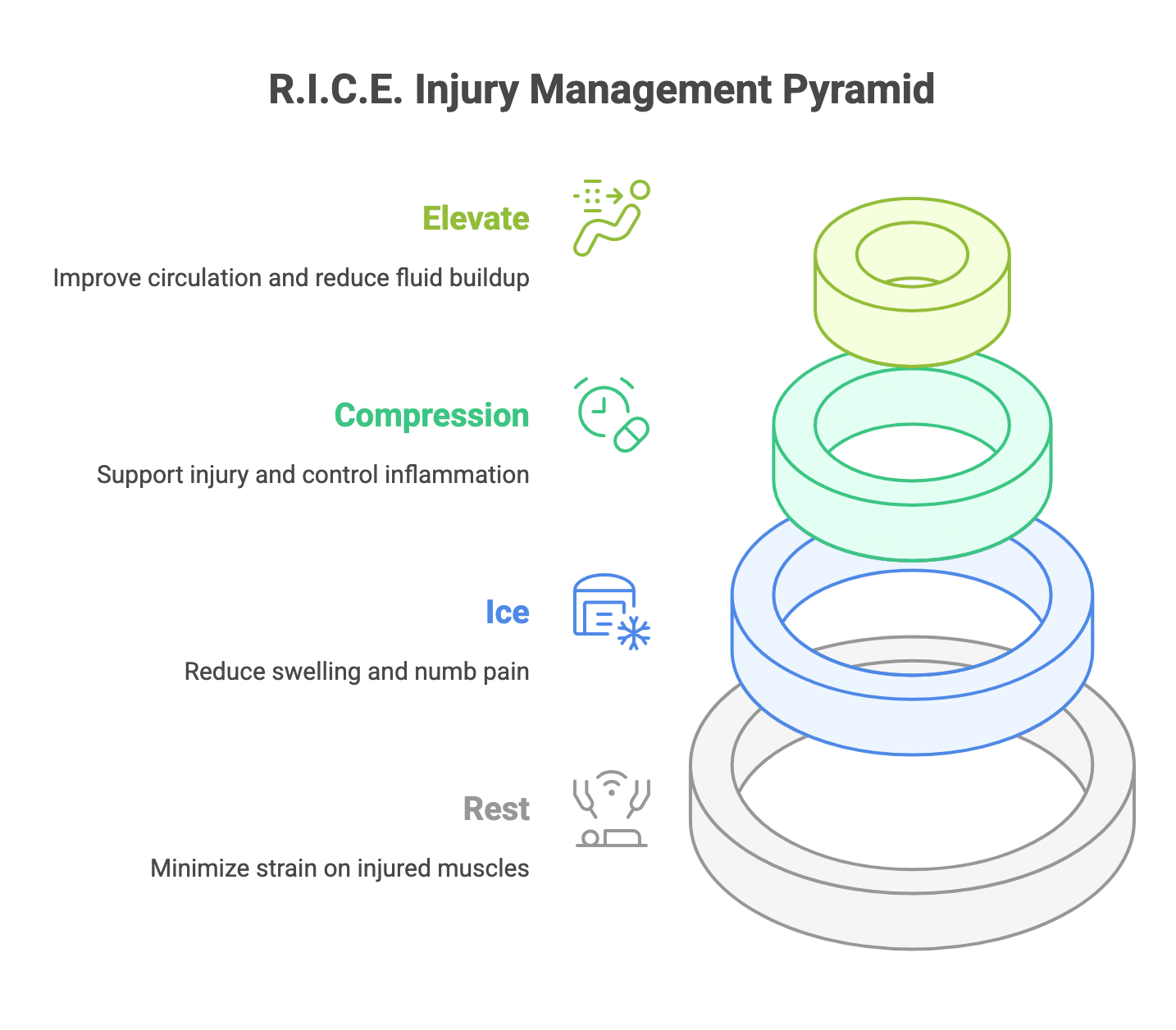
The R.I.C.E. method (Rest, Ice, Compression, Elevation) is a time-tested strategy for managing muscle injuries:
- Rest to minimize strain.
- Ice the injured area to reduce swelling and numb pain.
- Apply compression with an elastic bandage for support and to control inflammation.
- Elevate the injured limb above heart level to improve circulation and reduce fluid buildup.
Using R.I.C.E. promptly can prevent further damage and promote faster healing (Mayo Clinic).
3. Stay Hydrated and Replenish Nutrients
Hydration plays a critical role in muscle repair. Dehydration reduces blood flow and nutrient delivery to damaged tissues, slowing recovery. Research shows that a 2% loss in body weight from dehydration can impair performance and delay muscle repair (
Gatorade Sports Science Institute ).
IV hydration therapy, such as Hydration Plus IV , delivers fluids and electrolytes directly into the bloodstream, ensuring optimal hydration and nutrient replenishment.
4. Gradually Reintroduce Movement
After the initial rest period, gentle movement is key to regaining flexibility and strength. Start with light stretching and low-impact exercises. Avoid high-intensity activities until the muscle has fully healed.
Returning to intense activity prematurely can exacerbate the injury or result in chronic pain ( Harvard Health Publishing ). A physical therapist can create a tailored program to rebuild strength safely.
5. Incorporate IV Therapy for Enhanced Recovery
IV therapy provides essential nutrients that support the recovery process, delivered directly into the bloodstream for rapid absorption.
Recovery IV Therapy includes:
- Anti-inflammatory agents like vitamin C and zinc to reduce swelling.
- Amino acids such as glutamine and arginine to support muscle repair and collagen production.
- B-vitamins to restore energy and optimize cellular repair processes.
By addressing nutrient deficiencies and improving hydration, IV therapy helps speed up recovery while minimizing discomfort.
Common Mistakes to Avoid During Recovery
Recovering from a muscle injury requires careful attention. Common mistakes include skipping rest, which can worsen the injury; neglecting hydration, which delays healing; and ignoring pain signals, which may lead to chronic issues. Always listen to your body and adjust your recovery plan as needed.
Tips to Optimize Recovery
A comprehensive recovery plan goes beyond rest and physical therapy. For optimal results:
- Prioritize a balanced diet rich in lean proteins, whole grains, and anti-inflammatory foods like leafy greens and berries.
- Get adequate sleep, as deep rest promotes muscle repair by stimulating growth hormone release.
- Consider massage therapy to improve circulation, relieve tension, and enhance muscle flexibility.
Why IV Therapy is Key to Muscle Recovery
IV therapy is a valuable addition to traditional recovery methods. Treatments like Hydration Plus IV and Recovery IV target the root causes of muscle fatigue and inflammation. These therapies:
- Replenish fluids and electrolytes to maintain hydration and muscle function.
- Deliver antioxidants and vitamins to support tissue repair and energy restoration.
- Reduce inflammation and swelling for faster recovery.
IV therapy is especially beneficial for athletes or individuals experiencing significant dehydration or nutrient depletion after intense physical activity.
When to Seek Professional Help
If symptoms persist or worsen despite self-care measures, consult a medical professional. Seek immediate attention if you experience:
- Severe pain or swelling.
- Numbness or tingling near the injury.
- Inability to move the affected muscle.
Professional evaluation ensures proper diagnosis and treatment, preventing complications.
Muscle Recovery with The Good Life IV Therapy
Recovering from a muscle injury doesn’t have to be a long and challenging process. Combining evidence-based recovery strategies with advanced IV therapies like Recovery IV and Hydration Plus IV can significantly enhance your healing and get you back to peak performance.
Contact The Good Life IV Therapy at 1 (480) 674-8268 or schedule an appointment today. Our expert team of Registered Nurses (RNs) is ready to deliver personalized care that supports your recovery goals.